Annual March in Commemoration of King Charles I
It always takes place on the last Sunday of the month. The march starts by St James Palace at around 11:15am, and makes its way in funeral order down the Mall and onto Horse Guards, following Charles' last route.
Sophie the tourist guide
1/31/20261 min read
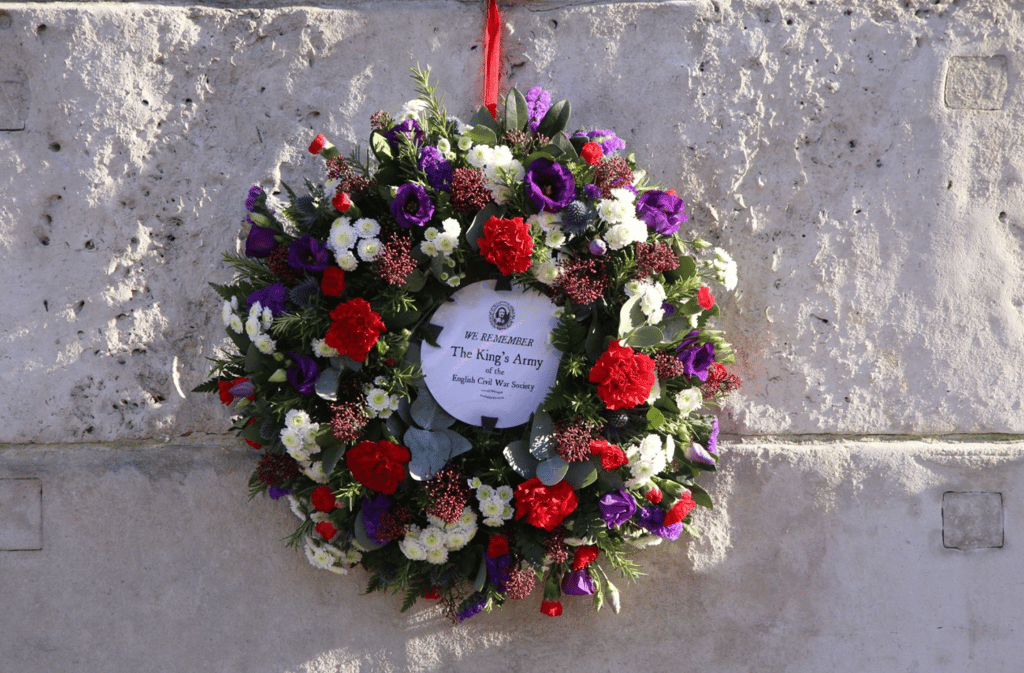
On Sunday, January 25, 2026, the English Civil War Society held its 54th annual march through central London to commemorate the execution of King Charles I. This solemn event serves as a memorial for the monarch who was beheaded on January 30, 1649, following the English Civil War - a brutal conflict between the Royalists (Cavaliers) and the Parliamentarians (Roundheads) over the "Divine Right of Kings" and the authority of Parliament.
The tradition is steeped in historical detail: hundreds of volunteers from the Society’s "King’s Army" dress in authentic 17th-century attire, carrying muskets, pikes, and banners. A poignant custom observed during the march is the wearing of two shirts by some participants, mirroring the King’s own choice on his execution day to ensure he did not shiver in the cold and appear afraid to the crowd.
Key Details of the Event
The Route: The procession begins at St James’s Palace, where the King spent his final night, and proceeds down The Mall toward Horse Guards Parade.
The Ceremony: On the parade ground, a religious drumhead service is held, involving the blessing of a commemorative wreath and the trooping of the colours.
The Conclusion: The march concludes at the Banqueting House on Whitehall, the exact site of the execution, where the wreath is laid near the spot where the scaffold once stood.
Ultimately, this annual commemoration is far more than a simple historical re-enactment; it is a living tribute that freezes time in the heart of a modern metropolis. By retracing the final footsteps of King Charles I, the procession serves as a stark reminder of the deep ideological divisions that eventually paved the way for Britain’s modern parliamentary democracy. Whether through the meticulous detail of the period costumes or the sombre silence of the wreath-laying, the event ensures that this radical turning point in British history remains a tangible part of the city's cultural fabric.